Archives For November 30, 1999

Haiti, Day 6

Meredith Flynn —  July 26, 2013

This week has been all about transformation. Not just change, but a dramatic, from-scratch process that turns a small plot of dirt into a new house, a child’s stare into a beaming smile, and a group of short-term volunteers into Americans who understand a little more about a new country, culture, and people.

20130726-191654.jpg

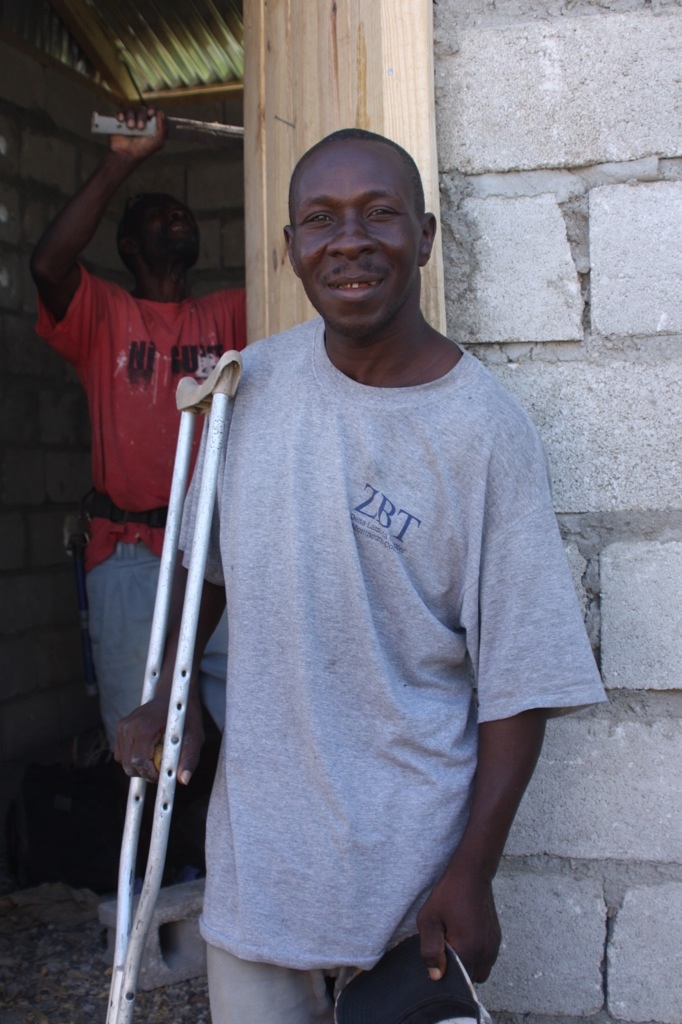
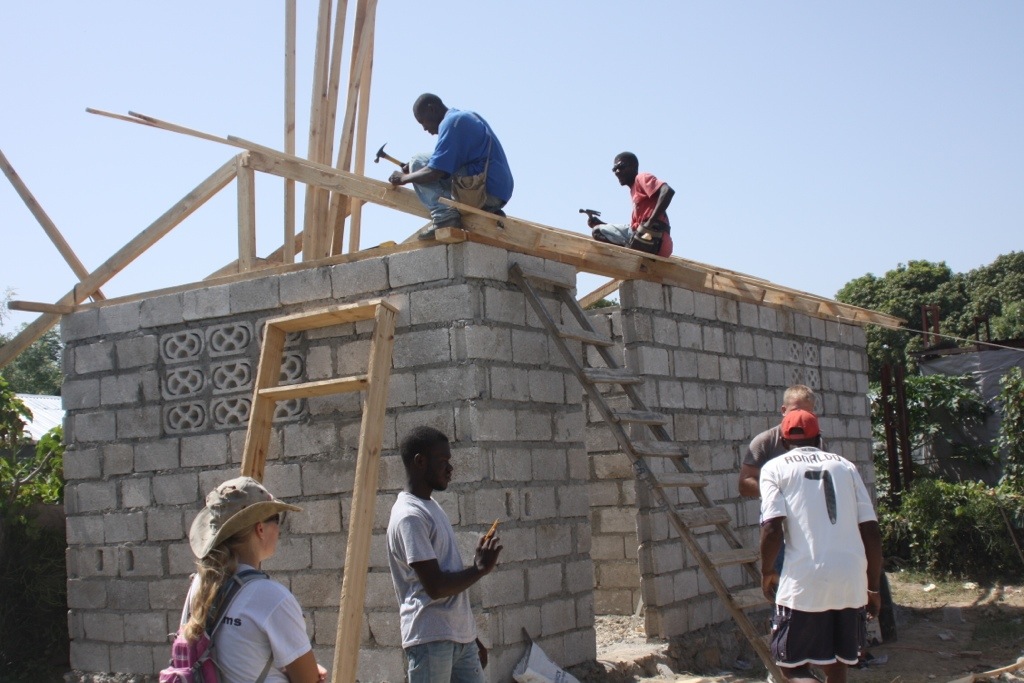
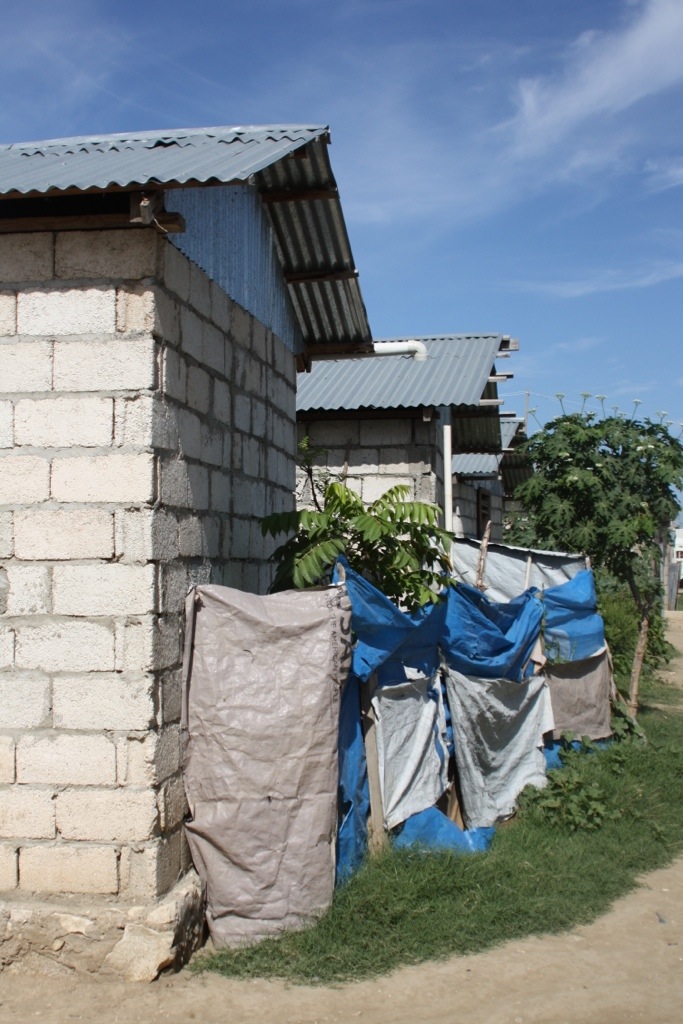
This man is standing in the doorway of his new house, one built this week through a partnership between Haitian workers and our group of (largely inexperienced) volunteers. We mostly handed them tools and cinder blocks and sheets of tin for the roofs, and they led the building projects out of their knowledge of how things work best here.

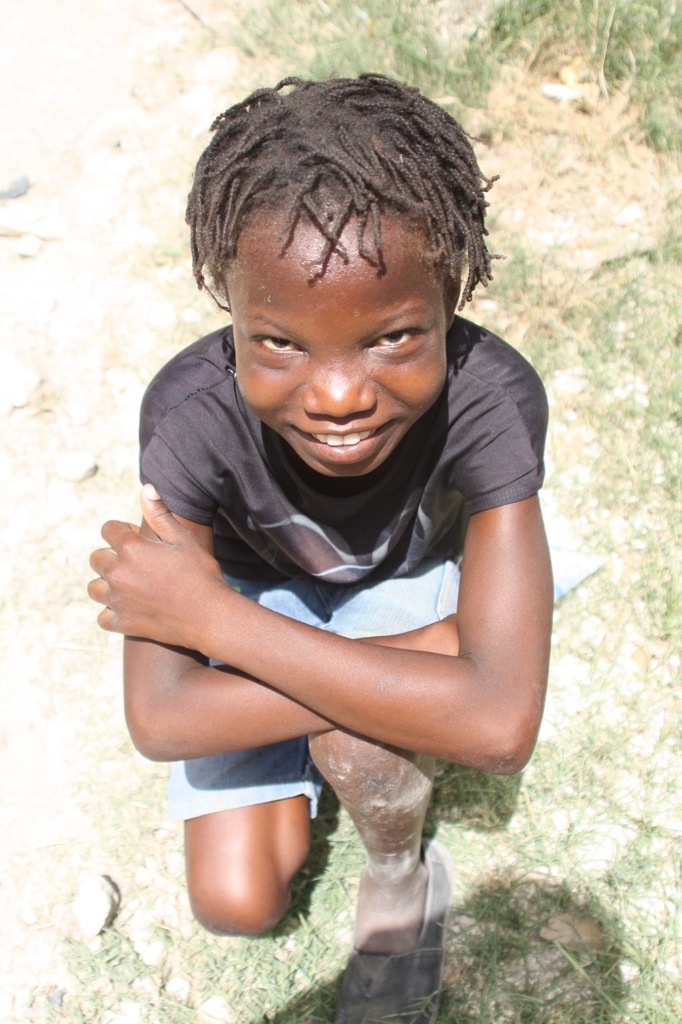
“Photo! Photo!” Everywhere, kids call out for you to take their picture and then show it to them. Many of the boys strike fighting poses or make tough faces. This boy, a fixture at the church where we ate our lunches, asked me to take this photo:

20130726-195226.jpg

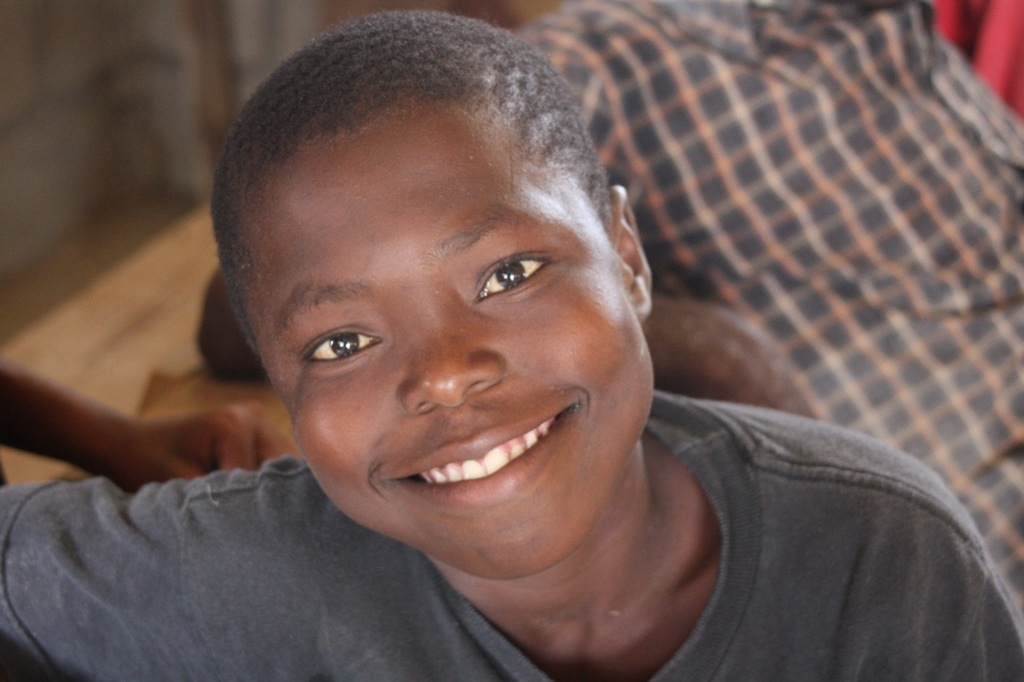
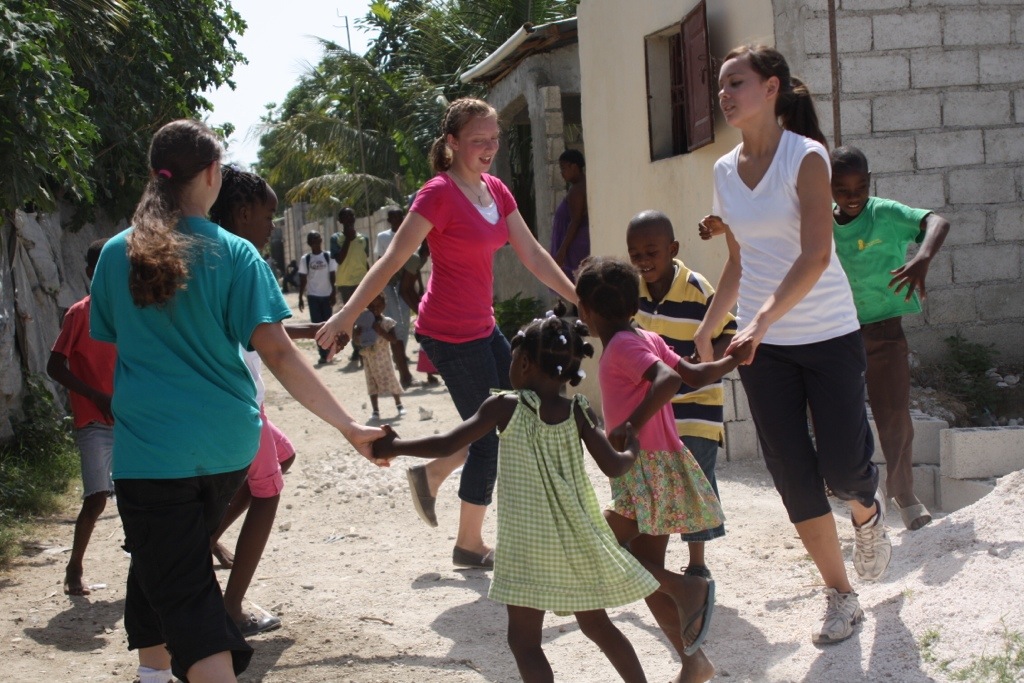
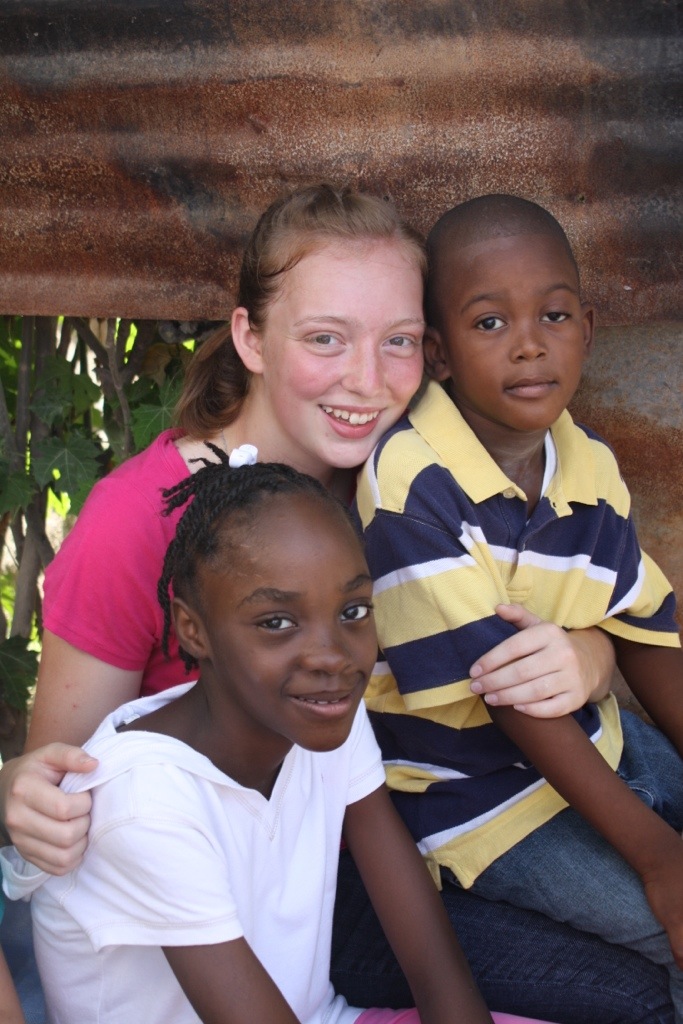
After I showed it to him, I asked him to smile for the next one. Maybe more than any other single ministry opportunity, this week was about spending quality time with kids. I watched my teammates love sacrificially all week, patiently holding a cell phone so they could marvel at a game on the screen; learning hand clapping games to pass the time before lunch; stooping down to pick up a shoeless toddler on the dusty road to our work sites. And earning smiles like these:

20130726-194953.jpg

Tomorrow, we’ll travel to Blanquette up in the mountains. Illinois churches have partnered with Pastor Evens there; as recently as last week, a Go team of students was there for Vacation Bible School. We’ll report more tomorrow on our visit, and the team’s final impressions of Haiti.

20130726-194247.jpg

In Port-au-Prince, this is how we start each morning before heading to our work sites. Enjoy the video, and then check out a few photos from today. Coming tomorrow: a wrap-up from our last ministry day in Haiti.

Error
This video doesn’t exist

20130725-195656.jpg
20130725-195822.jpg
20130725-200226.jpg
20130725-202725.jpg
20130725-202917.jpg
20130725-202949.jpg

A few snapshots from Wednesday in Port-au-Prince:

20130724-183036.jpg

20130724-183100.jpg

20130724-183126.jpg

20130724-183140.jpg

20130724-183208.jpg

20130724-183253.jpg

20130724-183325.jpg

20130724-183357.jpg

20130724-183413.jpg

20130724-183436.jpg

20130724-183454.jpg

Philippe Armand remembers well the day of the earthquake. Philippe, a former school teacher, is working this week as a translator for a team of Illinois volunteers serving in Haiti. He has done so several times since the January 2010 quake, which killed more than 200,000 in his country.

Philippe was in a meeting when the ground began to shake in the late afternoon January 12. The group thought it was a plane crash, since the meeting was near the Port-au-Prince airport. But when they went outside and saw the great cloud of dust covering their city, “We just thought it was the end of the world,” he says.

He started walking home, desperate to see if his wife and children were ok. All the way home, he saw death and destruction- “I can’t stop crying,” he says, recalling the hour-long walk home. “I tried to call my wife; I can’t because there was a problem. You can’t find anyone on the phone or text message.”

He remembers seeing one large house in ruins and thinking about what might have become of his own small home. When he finally got there, everyone was safe and the house was still standing. But fear had set in. Philippe says people lived outside for a long time, because they thought at any time, the shaking could start again.

Baptist Global Response (BGR), a ministry partner of the Southern Baptist International Mission Board, arrived on the scene soon after the quake, first to deliver food and later to help rebuild homes and churches. Including Phillipe’s church, Damien Baptist. And because school was out indefinitely, Philippe found a job as a guard at the BGR compound. That’s how he met Bob Elmore, the leader of this week’s team and several others over the past couple years.

BGR built several hundred homes, and other mission teams left their mark on Haiti too. But the change isn’t just physical. “After the earthquake a lot of people accepted Jesus,” Philippe says.

“Before the earthquake, there are many religions, many voodoo priests. After the earthquake, even the voodoo priests cry out [to] God. ‘God save me! If I am alive right now, [it’s] because of God.'”

20130723-201424.jpgPhilippe Armand (far left) studies a Christian book translated into Haitian Creole in a group led by Brian Harriss (third from left), a volunteer from First Baptist, Columbia, Ill.

When Bob Elmore described what our team would be doing this week in Haiti, he was careful to remind us we wouldn’t be building houses. Rather, Bob said, we’re here to help local workers build houses. And to remember that the “bosses” and their helpers know a lot more about what works in Haiti than we do.

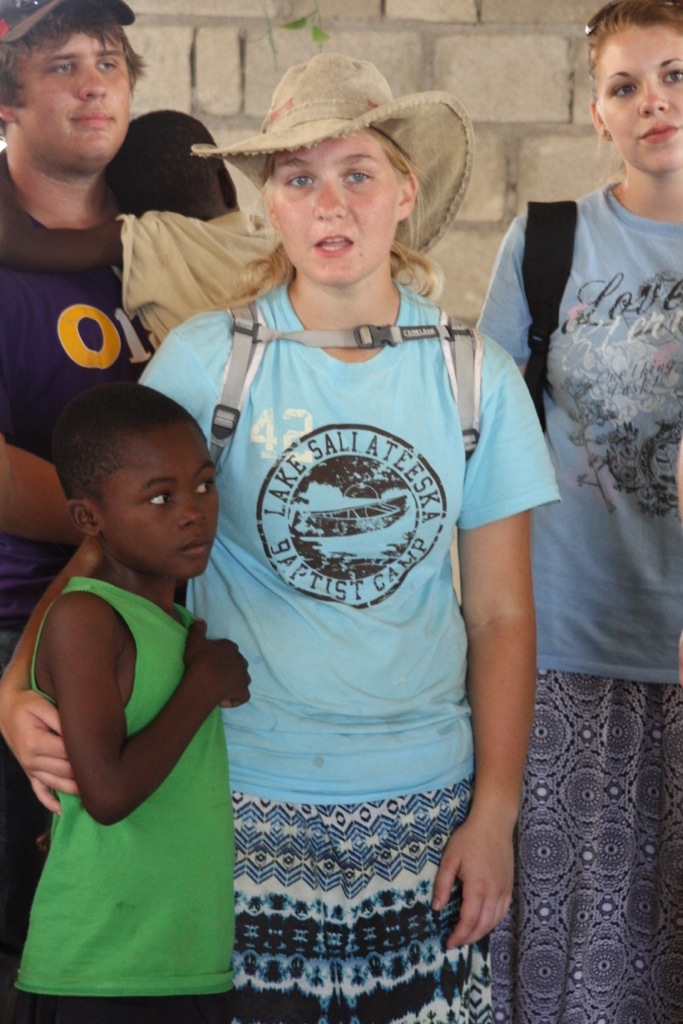
It has to be a bit of a burden, taking on 19 American volunteers, many who have little to no construction experience. But the Haitians we worked with today greeted us with smiles every time we saw them, patiently reminded us how to say “what is your name” in Creole (more than a few times), and took us under their wing on two hot, dusty construction sites that will hold new cinder block homes in just a few days. They’re sacrificing to partner with us.

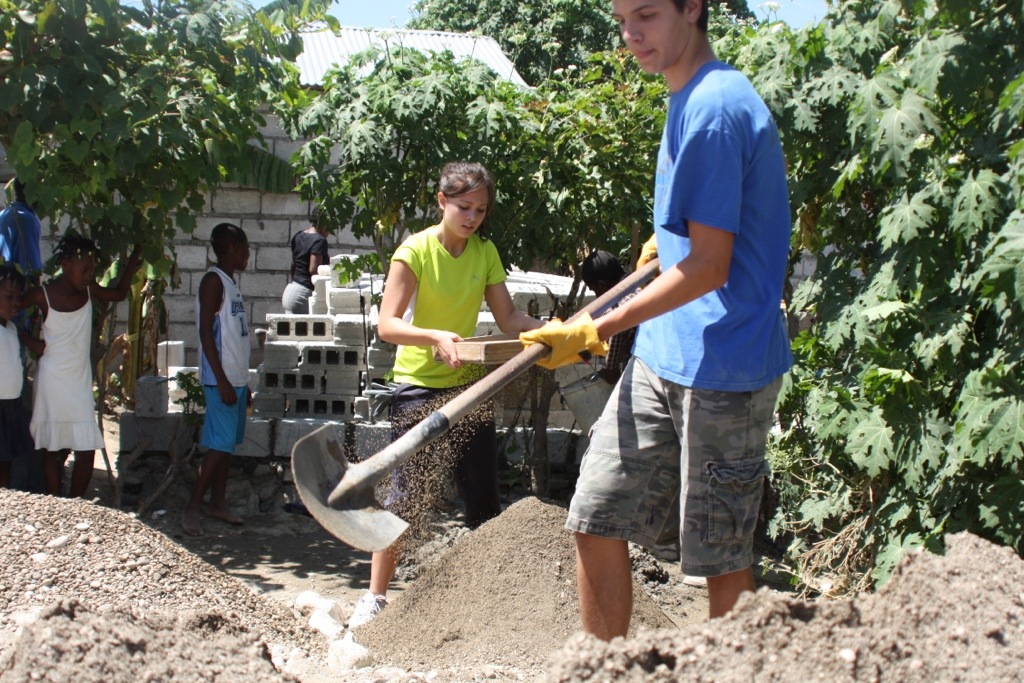
They’re also teaching us the basics of Haitian construction, from sifting dirt to be used as mortar, to creating an assembly line to get cinder blocks where they need to go.

And in return, hopefully we’re loving them well, even knowing many of us may not come back to Haiti, at least for a while. Our sacrifice is forgetting the heat long enough to loop both arms around kids when they want to walk down the street with you. (Five wide: you in the middle, one kid under each arm, and two more holding your hands).

Our sacrifice is having the courage to love them well, as one group member said during tonight’s devotion time. “It’s easy not to fall in love,” Emily Ebert said, not because the people aren’t lovable, but because it would be easier to hang back, build what we need to build, and leave on Sunday. It’s harder to start an awkward conversation in a foreign language, knowing we’re going to look like we don’t know what we’re doing.

Bob told us tonight that on his first trip to Haiti a few years ago, he focused on the work to be done and didn’t really meet many people. But on several subsequent trips, he decided the relationships were more important. Today, as we stood on the bank of the Grise River (named for its gray color), one of Bob’s Haitian friends – Phillip- told him, “You are from Haiti now.”

20130722-202455.jpgBob Elmore (in yellow) gives instructions at the beginning of the team’s first work day in Haiti.

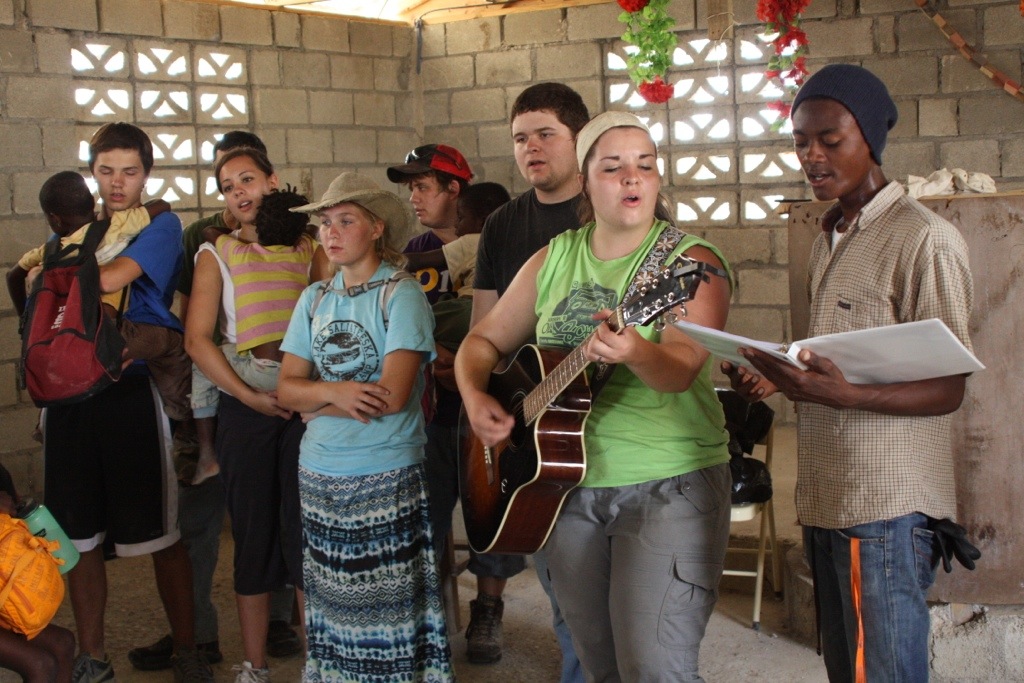
20130722-202658.jpgPastor Estaphat of Gosen Church leads the volunteers in singing before they start their work. His church building was built in November by volunteers led by Bob Elmore.

20130722-203205.jpgBigarade is dotted with houses built by Baptist Global Response after the 2010 earthquake. Southern Baptist missionary Sam Yorke was instrumental in the building of those homes, so the locals call the community “the city of Sam” and “Sam village.”

20130722-203541.jpgThe volunteers are magnets for friendly kids.

20130722-203840.jpgCourtney Fallon gets the beauty shop treatment on the work site.

20130722-203716.jpgTad Arndt and Cara Atienza shovel and sift to make mortar for the homes under construction.

"God is alive and well in the inner city," Chet Cantrell told attenders at the WMU Missions Celebration in Houston.

“God is alive and well in the inner city,” Chet Cantrell told attenders at the WMU Missions Celebration in Houston.

SBC | Chet Cantrell, executive director of Illinois’ Christian Activity Center, spoke about his ministry in East St. Louis this afternoon at the annual Woman’s Missionary Union (WMU) Missions Celebration, held in conjunction with the Southern Baptist Convention.

“God is alive and well in the inner city,” Cantrell told women (and a few men) gathered in the Hilton Americas hotel. At the CAC, Cantrell and his staff partner with an army of volunteers to run a daily tutoring and mentoring program that has resulted in a 95% graduation rate among the kids they serve in poverty-stricken East St. Louis. The center, located next to an infamous housing project, is a haven in the neighborhood.

But it wasn’t always that way. When he arrived in the city and asked parents what he could do to help, their answer was “Keep our kids alive.” Cantrell told his audience the playground that now sits opposite the center was once a weed-plagued field. When he set out to mow down the tall grass, a young child told him he couldn’t do that. When Cantrell asked why not, the reply was, “Because that’s where they throw the dead bodies.”

What child should have to grow up in that environment, Cantrell asked. He shared stories of what God has done in the years since, like transforming that field, and turning a street known for trafficking into a place where kids can feel safe. He thanked WMU for their support of ministry centers like his, and encouraged them from Isaiah 45, where God says:

“I will go before you and level the uneven places; I will shatter the bronze doors and cut the iron bars in two.I will give you the treasures of darkness and riches from secret places, so that you may know that I, Yahweh, the God of Israel call you by your name.” (Isaiah 45:2-3, HCSB)

“I would like to tell you that I’m smart and I’m capable, but sometimes God just asks you to show up,” Cantrell said.

“…God was at work in East St. Louis long before I got there.”

Cantrell ended with a challenge: “You want to find God, you come serve in areas just like mine, because God shows up.

“Will you?”

Serena_McDonaldsCOMMENTARY | Serena Butler

When our small mission team arrived in New Orleans, we planned to roof houses for a week. We had packed hammers, squares and other tools, but when we arrived, we were asked to hang insulation instead.

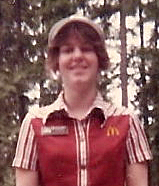
The experience took me back to a time several years earlier, when I started my first dream job – working at McDonald’s. I was 16. With great excitement, I put on my new uniform and my mom drove me to my first shift. Little did I know that much of what I would learn over the next 7½ years would be utilized as I served on mission teams.

Like flexibility. Some days I would be at the grill all day. Others, I worked the counter for a few hours and then switched to fries. Still other days I would learn a new skill. One night, ten minutes before closing time, four buses pulled into the parking lot. Even when you’re tired from a long day, put a smile on your face and serve with graciousness.

That particular lesson has certainly come in handy on mission trips. In New Orleans, we quickly shifted gears and accepted our new assignment graciously. We gathered utility knives, staplers, work gloves and masks and started to work. And we gave individual assignments to each team member so we could operate more efficiently. Some cut the lengths of insulation while others stuffed it in the walls and ceiling before stapling it into place. Others made sure the area was clean of debris. When someone needed a break from their assignment, we rotated.

Being flexible often means relying on your team, because you realize pretty quickly you can’t do everything on your own. My first assignment at McDonald’s was toasting and dressing Big Mac buns. It was fairly simple, but had to be done in exactly 2 minutes and 30 seconds. On command from the manager, place the buns in the toaster. When the buzzer sounded, remove the buns and put on the right amount of sauce, onions, lettuce, cheese, and pickles. When I fell behind, the whole grill team (and our customers) suffered.

Similarly, as we installed insulation that week in New Orleans, we knew we had to finish our task, because a drywall team was coming in behind us.

Each time I go anywhere on mission, I try to remember these hard-earned lessons from my time at the Golden Arches. When I clock in, I want to be ready to do whatever task I am asked to do that day, and play my part on the team.

THE BRIEFING | Meredith Flynn

<p><a href=”http://vimeo.com/62112542″>CMD 2013 recap</a> from <a href=”http://vimeo.com/ibsa”>IL Baptist State Association</a> on <a href=”http://vimeo.com”>Vimeo</a&gt;.</p>

A story is told every year around this time, about a little girl from an IBSA church who knocked on the door of a crisis pregnancy center one Saturday in March. She wasn’t alone; bolstered by several others her age, she answered the question, “Who is it?” with a bold proclamation:

“We’re missionaries!”

It was Children’s Ministry Day, and the young missionary was delivering handmade blankets to mothers and babies in need.

Hundreds of kid took up her rallying cry in mid-March, as the third annual IBSA Children’s Ministry Day sent 900 volunteers into five communities. At the Mt. Vernon site, IBSA’s Rex Alexander told the story to help motivate more than 200 kids who gathered at Park Avenue Baptist Church before scattering to their ministry sites.

“The church is often guilty of overlooking children when it comes to mission action,” Alexander said later. “We send youth and adults on mission trips, but we limit mission involvement with children to teaching ‘about’ missions.

“Our kids are very capable of serving the Lord outside the walls of their church and having an impact on their world.”

Children’s Ministry Day is an Illinois expression of a nationwide initiative created by Woman’s Missionary Union (WMU). Mark Emerson, IBSA’s associate executive director for missions, has let the statewide project from the beginning, when it started in 2011 with several projects in the Springfield area. Children’s Ministry Day expanded to three last year, and this year, host associations coordinated various projects in five cities – Bourbonnais, Carbondale, Mt. Vernon, Springfield and Troy.

A total of 903 volunteers, including kids, their leaders and host site helpers, served at the most recent event, a 25% increase over last year. The number of churches represented also increased, from 50 to 64.

For more about Children’s Ministry Day, see the upcoming issue of the Illinois Baptist, online Friday at ibonline.IBSA.org.

Other news:

Alabama cop turns over badge
But Montgomery Police Chief Kevin Murphy did so willingly. While speaking at First Baptist Church as part of the 13th Congressional Civil Rights Pilgrimage to Alabama, Murphy (right in photo) gave his badge to U.S. Rep. John Lewis (left) and apologized to him on behalf of the police department, Baptist Press reports. The Georgia Congressman and long-time Civil Rights activist was beaten along with other Freedom Riders at a Montgomery bus station in 1961, while Montgomery police stood down. “He us my hero,” Murphy said of Lewis. Read the full story at BPnews.net.

NAMB sends Bibles to every church
The North American Mission Board will send this spring a case of New Testaments to every Southern Baptist and Canadian National Baptist church. “If your church hasn’t been out in your community sharing Christ in a while, we think these Bibles are a great tool for outreach,” said NAMB President Kevin Ezell. The New Testaments are part of NAMB’s vision to see every Christian sharing the Gospel by 2020, and should arrive in churches by early April. Read more at BPnews.net.

Tomlin gives spotlight to God
On any given Sunday, worship artist Chris Tomlin’s songs are sung in at least 60,000 churches. And it could be as many as 120,000, estimates Christian Copyright Licensing International (CCLI). In a recent CNN interview, Tomlin said he likes stepping back from the microphone during his concerts so he can listen to others worship. “It’s about a greater name than my name,” he told CNN. “My name is on the ticket, but this is about a greater name.” Read more at CNN’s belief blog.

Today marks the end of the Week of Prayer for North American Missions. In this post, we go back to Day 1 for a look at Chicago church planters Scott and Ashley Venable.

Scott Venable“It’s the most eclectic place you can imagine,” church planter Scott Venable says of his Chicago neighborhood. “It has drug dealers and businesspeople. When we prayerwalked as we were looking for a place to start the church and we got to Wicker Park, we just knew it was it.”

One of the most famous neighborhoods in the Windy City, Wicker Park is the kind of place where million dollar homes are just a few blocks down from government housing. It’s also a place that needs churches. Scott and his wife Ashley are planting Mosaic Church with a focus on serving the community, and sharing the Gospel in Chicagoland, where only 10 percent of people know Christ.

Pray for Mosaic Church Chicago as they live out  the Great Commandment and carry out the Great Commission – may they see many transformed lives.

Go to www.anniearmstrong.com/scottvenable to watch “Where to Start,” a video about the Venables’ work in Wicker Park.

Many Southern Baptist churches will mark the Week of Prayer for North American Missions this week. For more information about the week of prayer or the Annie Armstrong Easter Offering, contact IBSA’s Missions team at (217) 391-3138.

PowerPlantDay 7 – Short-Term Missions
Every day of the year, young men and women are working alongside missionaries throughout North America. Through summer and semester opportunities, they are discovering future areas of service as they learn from experienced church planters and missionaries. And they’re also developing their own relationship with God as He uses them to meet the spiritual and physical needs of others, and to experience new cultures and missional living firsthand.

Pray for more young people to answer God’s call to serve in short-term missions experiences. Pray also for summer and semester missionaries to be stretched and challenged during their times of service so they may more easily discern God’s call to missions for the long term.